
Technology has transformed nearly every part of our daily lives, and real estate is no exception. From online listings to virtual tours, buyers now expect convenience and instant access when shopping for homes. But the evolution doesn’t stop there. Increasingly, buyers are paying attention to something else: smart home technology. Today’s homebuyers especially millennials and Gen Z are more tech-savvy than ever. They’re looking for homes that not only fit their lifestyle but also come with features that make life easier, safer, and more efficient. Smart home devices like voice-activated assistants, intelligent thermostats, security systems, and energy-efficient appliances are quickly becoming less of a luxury and more of a necessity. For real estate agents, understanding this growing trend is no longer optional. If you can’t speak to the value of smart home technology or highlight its benefits in your listings you risk being left behind in an increasingly competitive market. In this blog, we’ll explore why smart home technology is so important in today’s real estate landscape, what buyers are looking for, and how you as an agent can use this knowledge to stand out, close more deals, and position yourself as a modern real estate expert.
Why Smart Home Technology Matters in Real Estate
There are several reasons why smart home technology is shaping the real estate industry:
- Buyer Demand Is Rising – According to surveys, over 80% of homebuyers say they are more likely to buy a property if it already has smart technology installed. Buyers want homes that are future-ready.
- Convenience and Comfort – From controlling lights and locks through a smartphone to setting the thermostat with voice commands, smart devices offer homeowners a new level of convenience.
- Energy Efficiency – With rising utility costs, energy-saving smart devices like intelligent thermostats and lighting systems help homeowners cut expenses, which is a huge selling point.
- Safety and Security – Smart locks, video doorbells, and connected security systems provide peace of mind, something every buyer values.
- Property Value Boost – Homes equipped with smart technology often sell faster and at higher prices because they stand out from competing listings.
For agents, being able to highlight these benefits is critical. It’s not just about showing a house—it’s about showing how a house fits the lifestyle buyers want to live.
Popular Smart Home Features Buyers Look For
If you’re going to market smart homes effectively, you need to understand which features matter most to buyers. Here are the top categories to know:
- Smart Thermostats – Devices like Nest and Ecobee allow homeowners to control heating and cooling remotely and learn household patterns to maximize energy savings.
- Smart Security Systems – Ring doorbells, smart locks, and whole-home security systems appeal to safety-conscious buyers.
- Smart Lighting – Automated lights that can be dimmed, scheduled, or color-adjusted with a phone app.
- Voice Assistants – Devices like Amazon Alexa, Google Home, or Apple HomePod that integrate with other smart devices.
- Energy-Efficient Appliances – Smart refrigerators, washing machines, and dishwashers that save energy and often come with remote monitoring capabilities.
- Smart Sprinkler Systems – Automated watering systems that reduce waste and adapt to weather conditions.
- Entertainment Systems – Whole-home audio systems or smart TVs that integrate seamlessly into the home environment.
When showing homes, pointing out these features—or even suggesting sellers install them before listing can significantly increase buyer interest.
How Smart Homes Impact Buyers’ Decisions
Smart home features often create an emotional connection between buyers and a property. Imagine walking into a home where the lights automatically brighten as you enter, the temperature adjusts perfectly, and you can lock the door with a voice command. That “wow” factor is powerful and makes homes more memorable. Additionally, buyers increasingly see smart technology as a standard. Just as stainless steel appliances once became a must-have feature, smart thermostats and security systems are quickly reaching the same status. Buyers are less impressed by them as a luxury they expect them. For younger buyers, especially millennials and Gen Z, a home without smart features can feel outdated, even if it’s otherwise modern. These generations grew up with technology, and they want their homes to reflect that.
How Smart Technology Helps Sellers
For sellers, investing in smart home technology can be one of the simplest and most cost-effective ways to increase appeal. Unlike major renovations, adding a few smart upgrades can:
- Make a listing stand out online.
- Give agents more to highlight in descriptions and showings.
- Attract tech-savvy buyers who are willing to pay more for modern convenience.
- Reduce the home’s time on the market.
As an agent, you can advise sellers on which upgrades give the biggest return on investment. For example, a smart thermostat, video doorbell, and a few smart plugs can cost under $500 but dramatically improve how the home is perceived.
Marketing Smart Homes Effectively
When it comes to marketing, don’t just list “smart home features” in the description—explain the value they bring. Instead of saying:
“Home includes a smart thermostat.”
Say something like:
“Enjoy lower utility bills and the convenience of adjusting your home’s temperature from anywhere with the smart thermostat.”
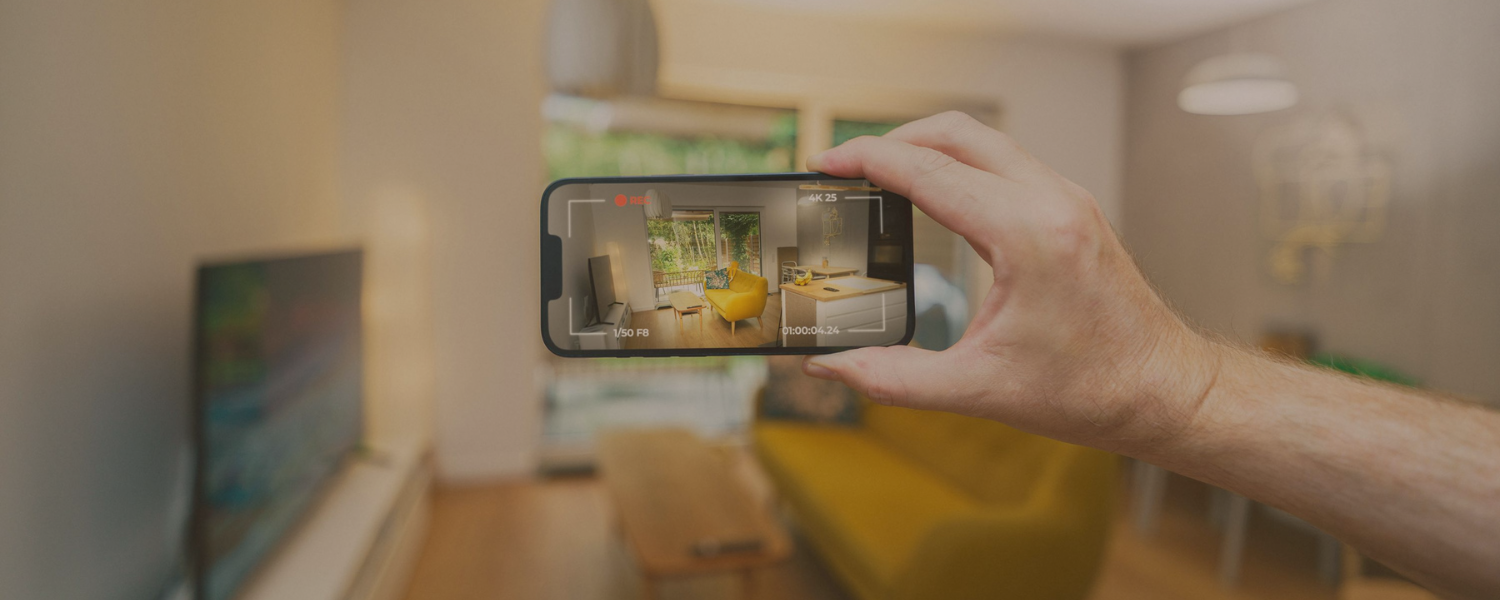
Highlight benefits in your online listings, social media posts, and open house presentations. Video tours are especially effective because you can demonstrate how the technology works in real time.
Overcoming Buyer Concerns
While most buyers are excited about smart technology, some still have concerns. These often include:
- Privacy and Security – Buyers worry about hackers accessing their devices.
- Compatibility – Some buyers wonder if they’ll need specific apps or devices to use the home’s technology.
- Maintenance – There’s a perception that smart devices are complicated or prone to failure.
As an agent, you can reassure buyers by explaining:
- Most devices can be reset and transferred to new owners easily.
- Security settings can be adjusted to protect privacy.
- Smart devices often come with warranties and customer support.
By addressing these issues directly, you build trust and show that you’re knowledgeable about modern real estate trends.
The Role of Real Estate Agents in the Smart Home Era
Smart home technology doesn’t replace the role of an agent—it enhances it. Your job is to help buyers and sellers understand the value of these features and how they affect property appeal and pricing.
Agents who stay ahead of the curve by educating themselves on smart home trends have a huge advantage. You’ll stand out as someone who understands not just houses, but the lifestyle buyers want to live in them.
Here are a few tips:
- Familiarize yourself with the most popular devices in your market.
- Partner with local smart home installation companies for added value.
- Offer workshops or webinars for sellers on “How to Add Smart Upgrades That Sell Homes.”
- Include smart features in your social media marketing content.
The more you integrate this knowledge into your business, the more clients will see you as the go-to expert in your area.
Looking Ahead: The Future of Smart Homes in Real Estate
The importance of smart technology will only continue to grow. In the next decade, we can expect:
- More Integration – Entire home systems that connect everything from HVAC to lighting to appliances.
- AI-Powered Homes – Homes that learn owners’ preferences and adapt automatically.
- Green Technology – Solar panels, smart energy grids, and water-saving systems integrated into home designs.
- Increased Buyer Expectations – Just like granite countertops and walk-in closets became must-haves, smart features will become standard in most markets.
Agents who prepare now will be best positioned to serve the buyers and sellers of tomorrow.
Conclusion
Smart home technology is no longer a trend—it’s a standard that today’s buyers expect and tomorrow’s market will demand. From thermostats and security systems to voice-activated assistants and energy-saving devices, these features boost convenience, efficiency, and safety while increasing property value. For real estate agents, embracing this shift means not only highlighting smart features in listings but also educating clients on their benefits, addressing concerns, and positioning yourself as a forward-thinking professional. The agents who adapt to this growing demand will not only sell homes faster but also build stronger relationships with clients who see them as trusted, modern experts in the real estate market.