
Selling a home is a complex emotional and financial journey. And while HGTV has made it seem like properties fly off the market in minutes, the reality especially in a shifting or competitive market is very different. The truth is, well-informed sellers make better decisions, cooperate more effectively with their agents, and ultimately earn more on their sale. If you’re a seller, or a real estate agent looking to educate your clients, here’s a candid breakdown of what every seller needs to hear before listing a home even if it’s not what they want to hear.
Your Home Is Worth What the Market Says It’s Worth Not What You Feel It’s Worth
Many sellers believe their home is worth more because of sentimental value, improvements they’ve made, or simply because the neighbor got a high price. While upgrades and neighborhood trends certainly influence value, the market determines the price, not personal feelings. A Comparative Market Analysis (CMA) done by a skilled agent will show what similar homes have sold for recently. It’s data, not desire, that drives price.
Buyers Don’t See What You See
That beautiful accent wall you painted crimson red? It might scream “repaint” to a buyer. That man cave you love? A buyer may only see wasted space. Emotional detachment is hard, but it’s essential. Buyers aren’t seeing your home they’re imagining their future in it.
Decluttering, Depersonalizing, and Deep Cleaning Are Non-Negotiable
You don’t get a second chance to make a first impression. A home that looks clean, spacious, and neutral will sell faster and for more. That means clearing countertops, removing family photos, organizing closets, and deep cleaning every room. Buyers aren’t just looking at square footage they’re buying a feeling. A clean, minimalist space feels more luxurious and move-in ready.
You Must Be Ready to Show Even When It’s Inconvenient
One of the hardest parts of selling is keeping your home “show-ready.” But missed showings are missed opportunities. Being flexible with showing times and sometimes vacating on short notice is crucial. A buyer’s perfect home might be yours, but if they can’t see it, they’ll move on.
Staging Isn’t Just for Luxury Listings It Sells Homes Faster and for More
You might think staging is unnecessary, especially if your home is furnished. But there’s a difference between living in a home and selling one. Professionally staged homes create a neutral, elevated version of reality that helps buyers connect emotionally. And it works studies show that staged homes sell 73% faster on average than non-staged homes.
Your First Two Weeks on the Market Are Crucial
Once your home hits the MLS, it’s front and center for every active buyer in the area. Those first two weeks are when you’ll get the most showings, online traffic, and agent attention. This is why pricing and presentation must be spot on before going live. If you waste that critical window with an overpriced or unprepared listing, you can’t get it back.
Not Every Offer Is the Same Look Beyond the Price
While price is obviously important, there’s more to a great offer than just the number. Consider:
- Type of financing
- Inspection contingencies
- Appraisal gaps
- Closing timeline
- Earnest money deposit
A slightly lower offer with fewer contingencies or better terms can sometimes be the better deal. Your agent can help you navigate the nuances.
Inspections Will Happen—Expect to Negotiate
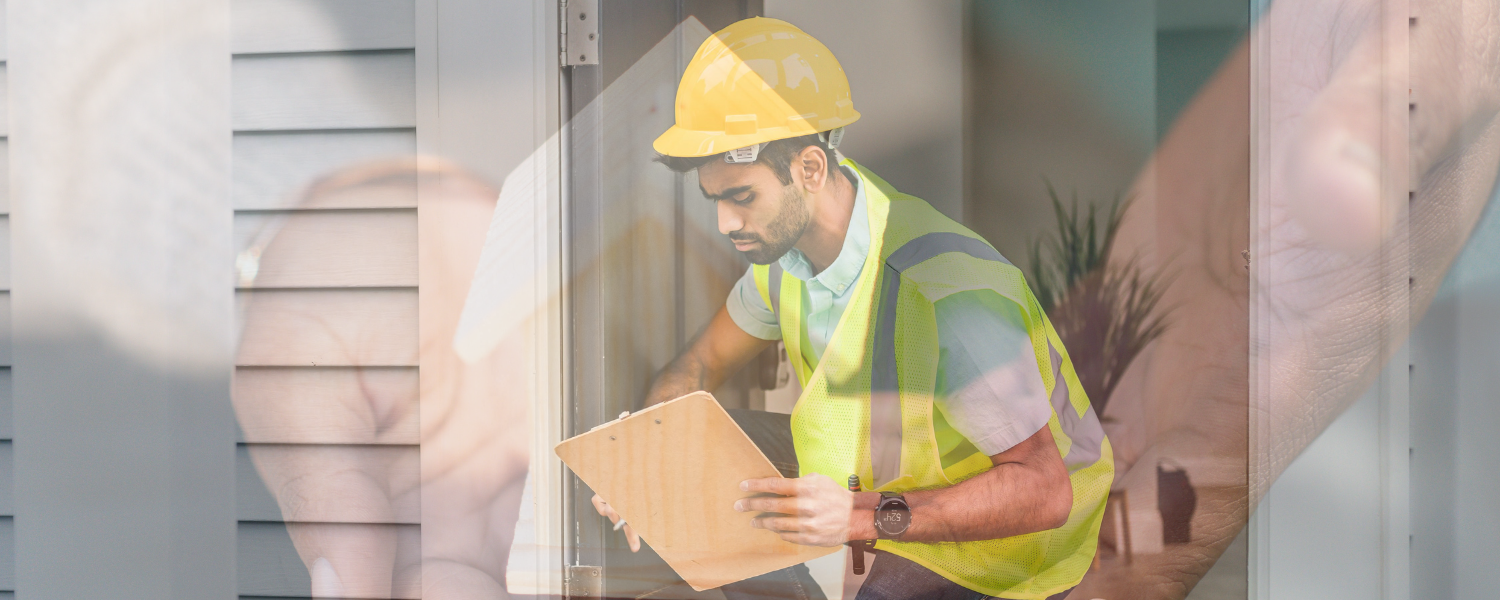
Even in a seller’s market, almost every buyer will request an inspection. And almost every inspection reveals issues yes, even in new or well-maintained homes. The key is preparation. Pre-inspections, small repairs, and setting realistic expectations can prevent surprise negotiations.
Appraisals Can Make or Break the Deal
Even if a buyer agrees to your asking price, their lender will likely order an appraisal. If the appraisal comes in low, it can jeopardize the sale unless:
- The buyer covers the difference,
- You renegotiate the price, or
- You challenge the appraisal (rarely successful).
Strategic pricing upfront can help avoid this issue.
Buyers Want Move-In Ready Homes More Than Ever
Post-pandemic, buyers are less likely to take on big projects. Homes that are clean, updated, and well-maintained are commanding top dollar. That doesn’t mean you need a full renovation. But paint touch-ups, minor repairs, and updating old fixtures can go a long way toward boosting appeal.
It’s Not Personal—It’s Business
Some sellers struggle when buyers criticize the home or make lowball offers. It feels like a personal attack on the place where you’ve made memories. But in real estate, emotion is a liability. Keep the focus on your goals and let your agent handle the tough conversations.
The Market Won’t Wait—Timing Is Everything
Trying to “time the market” is nearly impossible. Real estate is influenced by interest rates, inventory, local employment, and even national politics. What matters most is your personal timing: Are you ready to sell? Is this the right time for you? That’s what drives smart decisions.
Your Agent Is Your Business Partner—Choose Wisely
Not all agents are created equal. Some specialize in listings. Some are skilled negotiators. Others shine in marketing or staging. Your agent should be your advocate, strategist, and support system. Interview a few and choose the one who communicates clearly, has a strong local track record, and aligns with your goals.
Conclusion
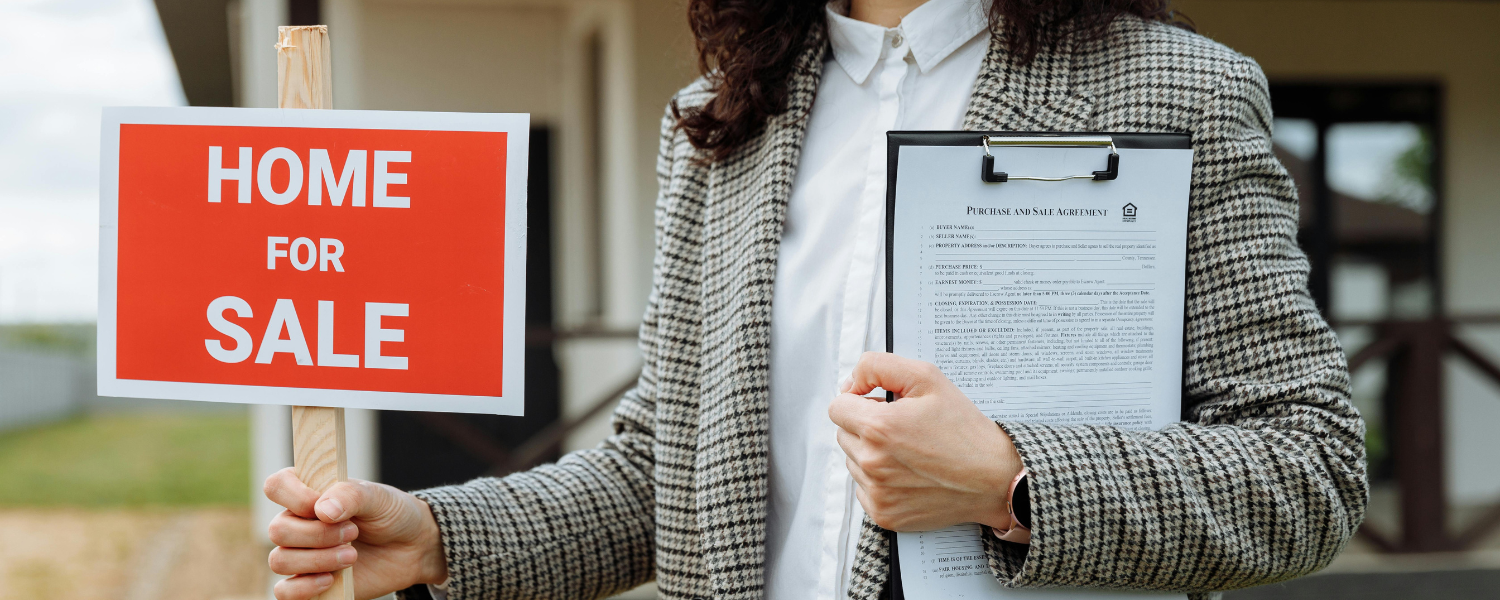
Selling your home is more than putting a sign in the yard and waiting for offers. It’s a strategic process that requires preparation, mindset shifts, and the right guidance. When sellers go in with open eyes, realistic expectations, and a willingness to listen to the professionals around them, the experience is smoother, less stressful, and more financially rewarding. Remember, a great sale doesn’t happen by accident. It happens when sellers are informed, aligned with the market, and committed to presenting their home in the best possible light. The better prepared you are before listing, the better your outcome will be at the closing table.